
Newsletter
May 2026

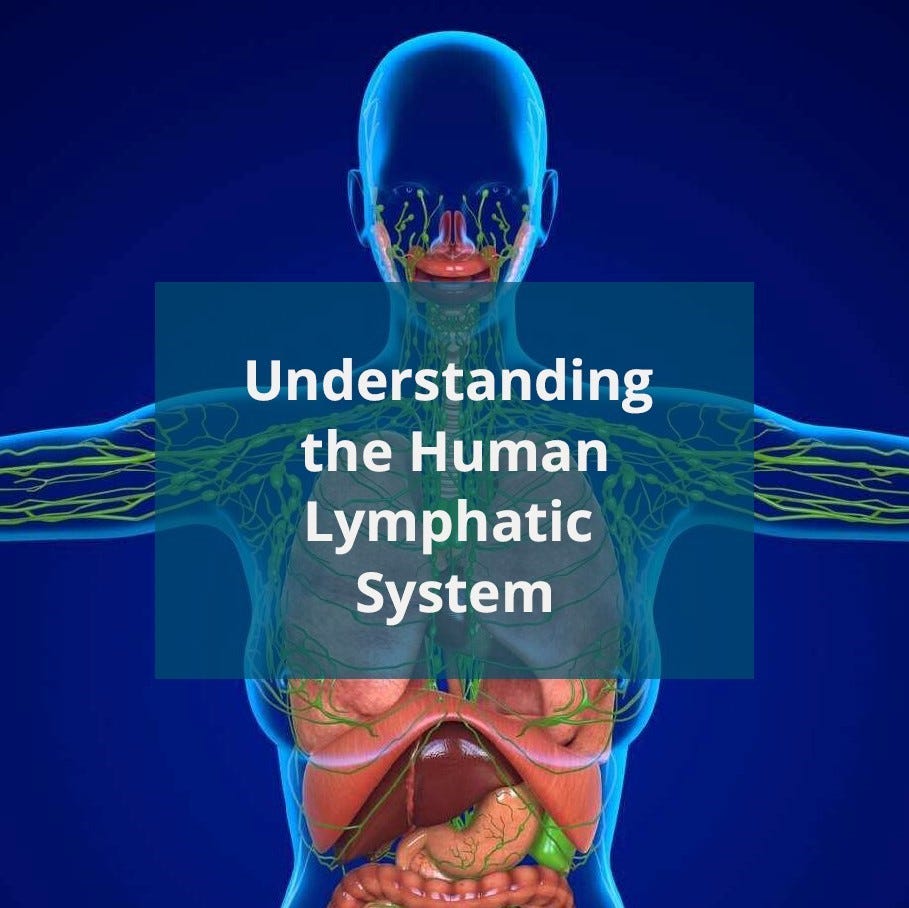
Understanding the Human Lymphatic System
Our latest ebook is now freely available for members inside the Knowledge Vault. This 40 page, fully-referenced, beginners guide, covers everything you need to know about the body’s hidden defence network.
These publications help to support our members learning so they can become an expert in their own health.
If you are not yet a member and would like to learn more, please visit our website here.

New FAQ Pages
We have revamped the FAQ pages on our website which as you can see from the screenshot, cover a wider range of topics, including our Philosophy & Approach and the Knowledge Vault.
There are now 24 Q&A’s listed but if your question isn’t there please reach out directly. You can review the new pages here.
Coffee Health Chat
ICYMI - here is one of our recent CHC videos.
If you would like to arrange a chat, please DM me or visit our website here.
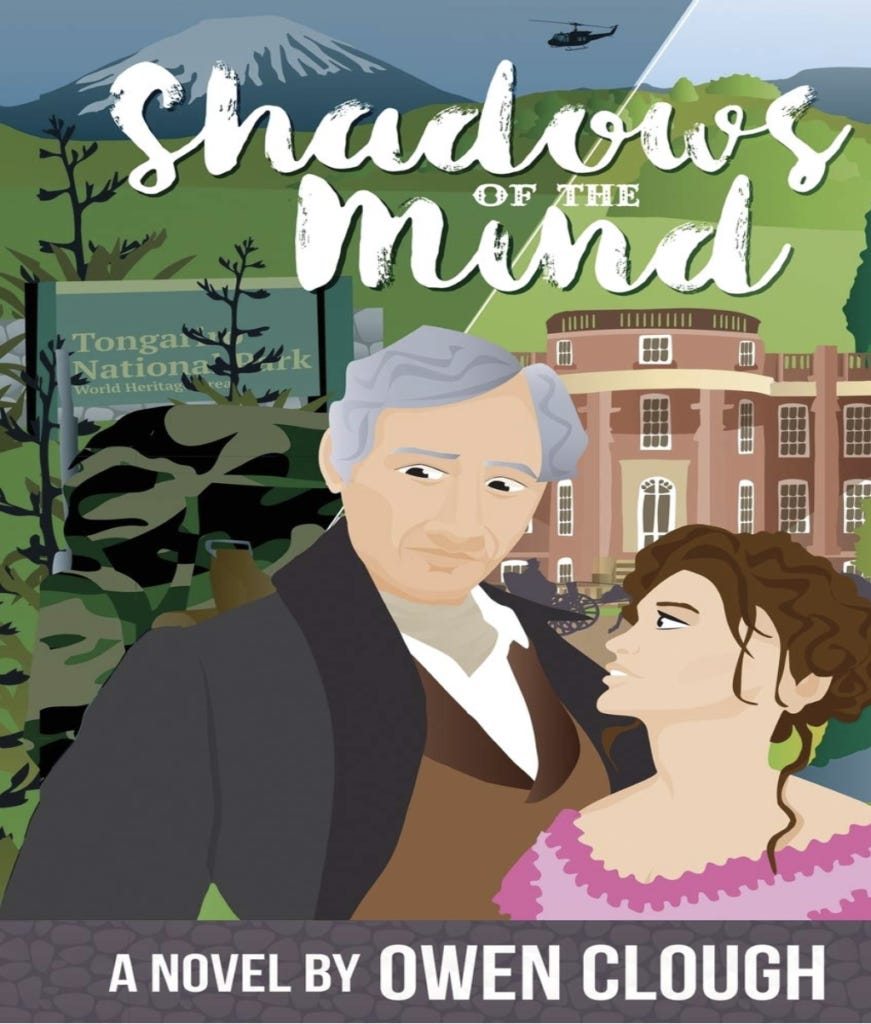
Quantum fried chicken
by Dr Paul Clayton
Sir Roger Penrose has a remarkable mind, whatever that is. His contributions to math and physics lead to, among other things, a shared Nobel prize for his work on the inevitability of black holes. He subsequently became interested in the question of consciousness, and in his 1994 book Shadow of the Mind (Owen Clough’s time-tangled romance came much later, and the current iteration of me hasn’t read it), he developed a theory that consciousness is a manifestation of quantum events occurring in the brain.
This theory was criticised, especially by neuroscientists, as another example of brilliance corroded by hubris, and there the matter rested. Until very recently, when a series of experiments suggested that the Penrose model of consciousness might be correct after all.
Continue reading here.
The X-Files of Medicine Part II
Why “Modern” Medicine Has Often Been Wrong Before
by Dr Jodi Shabazz
Welcome to Case File #2 of The X-Files of Medicine - strange and forgotten stories from medical history that reveal how the body, health, and science have often been misunderstood.
Yesterday we looked at the story of the 1937 Elixir Sulfanilamide disaster.
More than one hundred people died after taking a raspberry flavored medicine that doctors believed was perfectly safe.
The medicine contained diethylene glycol.
Today we know that chemical as a component of antifreeze.
But at the time, no one realized it was deadly.
Which raises an uncomfortable question.
How did something so dangerous end up being sold as medicine?
Continue reading here.